


- Thread Author
- #1





- Joined
- Sep 25, 2023
- Messages
- 39,265
- Reaction score
- 3,158
- Trophy Points
- 180
- Location
- Philippines
- D Bucks
- 💵8.041400
- Referral Credit
- 100
According to the report, HII is turning to AI-enabled welding and assembly systems as it looks to boost shipyard throughput amid persistent workforce and capacity constraints in US naval shipbuilding.
The report stated that the company is set to demonstrate the technology in partnership with Path Robotics during a media-only event on February 17 at the robotics firm’s headquarters in Ohio, where the two companies will also sign a memorandum of understanding to formalize the collaboration.
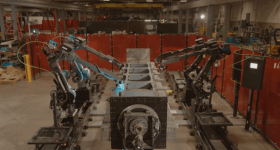
The report also stated that Path Robotics builds AI-enabled welding systems that combine machine learning, computer vision, and robotics to handle variable manufacturing tasks. HII is assessing how such technologies could increase production rates and reduce bottlenecks in labor-intensive shipyards.
Eric Chewning, HII’s executive vice president of maritime systems and corporate strategy, said that the company has already begun to see measurable gains. He said that they have already seen a 14 percent increase in throughput in 2025, and we’re anticipating at least a 15 percent increase in 2026. He continued saying that the increase is the number-one priority for the company, and they are attacking the challenge on multiple fronts.
The report said that those efforts include new facilities, distributed shipbuilding, and broader adoption of Industry 4.0 technologies, including AI, automation, and robotics. He added that the move toward physical AI comes amid ongoing workforce and capacity constraints in naval shipbuilding.
The report added that in March 2025 testimony to Congress, Ronald O’Rourke, a naval affairs specialist at the Congressional Research Service, said that shipyards continue to struggle to recruit and retain skilled workers, while new hires take years to reach full productivity, driving delays and higher costs.
Additionally, O’Rourke identified expanded use of automation and robotics as one of the few practical ways to raise shipbuilding output without relying solely on the workforce.
Source: Military AI

The report stated that the company is set to demonstrate the technology in partnership with Path Robotics during a media-only event on February 17 at the robotics firm’s headquarters in Ohio, where the two companies will also sign a memorandum of understanding to formalize the collaboration.
The report also stated that Path Robotics builds AI-enabled welding systems that combine machine learning, computer vision, and robotics to handle variable manufacturing tasks. HII is assessing how such technologies could increase production rates and reduce bottlenecks in labor-intensive shipyards.
Eric Chewning, HII’s executive vice president of maritime systems and corporate strategy, said that the company has already begun to see measurable gains. He said that they have already seen a 14 percent increase in throughput in 2025, and we’re anticipating at least a 15 percent increase in 2026. He continued saying that the increase is the number-one priority for the company, and they are attacking the challenge on multiple fronts.
The report said that those efforts include new facilities, distributed shipbuilding, and broader adoption of Industry 4.0 technologies, including AI, automation, and robotics. He added that the move toward physical AI comes amid ongoing workforce and capacity constraints in naval shipbuilding.
The report added that in March 2025 testimony to Congress, Ronald O’Rourke, a naval affairs specialist at the Congressional Research Service, said that shipyards continue to struggle to recruit and retain skilled workers, while new hires take years to reach full productivity, driving delays and higher costs.
Additionally, O’Rourke identified expanded use of automation and robotics as one of the few practical ways to raise shipbuilding output without relying solely on the workforce.
Source: Military AI