


- Thread Author
- #1





- Joined
- Sep 25, 2023
- Messages
- 39,228
- Reaction score
- 3,156
- Trophy Points
- 180
- Location
- Philippines
- D Bucks
- 💵7.745400
- Referral Credit
- 100
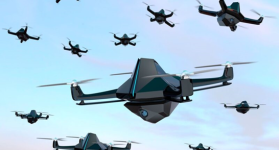
According to the report, the Pentagon’s plan to field thousands of AI-powered drones under its Replicator initiative is facing setbacks, with technical flaws, costly systems, and bureaucratic hurdles slowing progress.
The report stated that this AI-powered drone was launched in 2023 by then–Deputy Defense Secretary Kathleen Hicks. The replicator program aimed to fast-track the deployment of small, smart, cheap unmanned systems for air, land, and sea domains by August 2025 in preparation for a potential conflict in the Indo-Pacific.
The report said that two years in, despite $1 billion in funding and political backing, sources told the Wall Street Journal that the effort has stalled. Some blame the military for pushing unready systems, while others pointed out that setbacks are typical of ambitious programs.
The report added that oversight of Replicator shifted in August from the Defense Innovation Unit (DIU) to the US Special Operations Command’s Defense Autonomous Warfare Group (DAWG), and it was led by Lt. Gen. Frank Donovan, to accelerate progress.
Additionally, despite the setbacks, some officials argue that Replicator still helped acquire and advance new uncrewed systems and autonomous tech in a shorter time span. It said that with China’s potential invasion of Taiwan by 2027, the Pentagon views DAWG’s sped-up task as critical to fielding autonomous drones that can cross vast distances, operate without GPS or radio links, overwhelm defenses at scale, and strike without high costs in lives or hardware.
Source: Military AI

The report stated that this AI-powered drone was launched in 2023 by then–Deputy Defense Secretary Kathleen Hicks. The replicator program aimed to fast-track the deployment of small, smart, cheap unmanned systems for air, land, and sea domains by August 2025 in preparation for a potential conflict in the Indo-Pacific.
The report said that two years in, despite $1 billion in funding and political backing, sources told the Wall Street Journal that the effort has stalled. Some blame the military for pushing unready systems, while others pointed out that setbacks are typical of ambitious programs.
The report added that oversight of Replicator shifted in August from the Defense Innovation Unit (DIU) to the US Special Operations Command’s Defense Autonomous Warfare Group (DAWG), and it was led by Lt. Gen. Frank Donovan, to accelerate progress.
Additionally, despite the setbacks, some officials argue that Replicator still helped acquire and advance new uncrewed systems and autonomous tech in a shorter time span. It said that with China’s potential invasion of Taiwan by 2027, the Pentagon views DAWG’s sped-up task as critical to fielding autonomous drones that can cross vast distances, operate without GPS or radio links, overwhelm defenses at scale, and strike without high costs in lives or hardware.
Source: Military AI